
If you’re packing for a move during Abu Dhabi’s extreme summer heat, the short answer is this: protect anything heat sensitive first, switch from plastic wrap to breathable materials, load the truck in the early morning window, and keep electronics, medication, and important documents with you at all times.
I run a moving company here in Abu Dhabi, and I want to walk you through this the way I’d brief a new crew member on their first summer job, because once you understand what 45°C actually does to a cardboard box, everything else falls into place.

Understand What Abu Dhabi Summer Heat Does to Your Belongings
I opened truck doors in July where the internal temperature was well past what any thermometer at home would ever register. That’s not an exaggeration, it’s just physics.
A closed metal truck sitting under direct sun becomes an oven, and the humidity blowing in off the Gulf adds a second problem most people never think about: trapped moisture.
Here’s what I tell every client during a pre-move consultation. Heat alone warps wood and softens plastic. Heat combined with humidity is what causes the mould, the fogged glass, and the sticky documents you find a week later.
If you remember one thing from this guide, remember that pairing, because it explains almost every packing decision that follows.
Packing and Unpacking Services Abu Dhabi- Complete Packing Solutions for Every Move
Timing Is Your Cheapest Protection
Before we talk about materials, let’s talk about the clock, because timing costs nothing and saves the most.
I schedule every summer move for one of two windows. The first is 5:00 AM to 9:00 AM, before the sun has had a chance to heat the asphalt or the truck body. The second, for clients who can’t manage an early start, is after sunset. What I never recommend is loading between noon and 4:00 PM.
That’s when my crews slow down for their own safety, and it’s when your furniture spends the longest stretch inside a truck at its hottest.
If you take away nothing else from this lecture, book your movers for a morning slot. It’s the single decision that prevents the most damage.
Choose Packing Materials That Work With the Heat, Not Against It
This is the part I spend the most time on with new clients, because most people pack a summer move exactly the way they’d pack a winter one, and that’s where the damage starts.
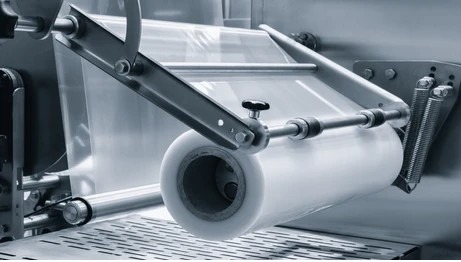
Breathable furniture covers over tight plastic wrap
Plastic traps heat and moisture directly against a wooden or leather surface. I’ve seen shrink wrap actually soften and stick to a leather sofa left in a hot truck for too long.
Moving blankets and breathable pads let that heat escape instead of cooking your furniture from the outside in.
Anti static bubble wrap for electronics
Dry heat builds static, and static is not kind to circuit boards. I always wrap laptops, TVs, and speakers in anti static material rather than the standard bubble wrap most households have lying around.
Silica gel packets inside every electronics or document box
This is a small habit that solves a big problem. It absorbs the moisture that would otherwise settle inside the box once the item cools back down indoors.
Reinforced tape on every seam.
Heat softens ordinary adhesive. I’ve had boxes come apart mid load simply because the tape gave up in the sun. Use a proper packing tape and go over every seam twice.
Sturdy double walled boxes
Softened cardboard loses its strength fast in this climate, so I don’t cut corners on box quality for a summer move.
A Room by Room Walkthrough, the Way I Brief My Crews
Electronics
These stay near the centre of the load, never against the truck wall where heat concentrates. Original boxes are ideal.
Power banks and lithium batteries are a genuine fire consideration above certain temperatures, so those travel with the client in an air conditioned car, not in the truck.
Wooden and Leather Furniture
I ask my crew to keep solid wood pieces away from rapid temperature swings wherever possible. Wrap in breathable padding, load away from the hottest section of the truck, and unwrap as soon as the piece reaches the new home so trapped moisture can release rather than sit against the surface.
Candles, Cosmetics, and Wax Items
These melt long before most other belongings show any stress. I tell clients to pack these into a small cooler bag and carry them personally rather than loading them at all.
Framed Art and Photographs
Condensation is the enemy here, not impact. Wrap each piece individually, keep it upright, and avoid leaving it in direct sun during loading or unloading.
Vinyl Records, Plants, and Instruments
Small volume, high risk. I always recommend traveling in the client’s own vehicle with the air conditioning running.
Documents, Medication, and Valuables
Non negotiable. These go in one dedicated box that never leaves your side, not the truck, from the first minute of packing to the last minute of unloading.
The Personal Box Every Summer Move Needs
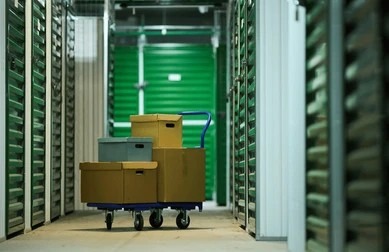
I ask every client to prepare one bag or box before we arrive. It travels with you, not with us. Include your medication, chargers, jewellery, key documents, a change of clothes, snacks, and a refillable water bottle.
In ten years of summer moves across Abu Dhabi, this one habit has prevented more headaches than almost anything else on this list.
Protecting the People Doing the Lifting
Your belongings aren’t the only thing at risk in this heat, and I take this part seriously with my own crews. Loose, breathable cotton or linen clothing, a wide brimmed hat if you’re helping outdoors, and a proper hydration station with water and electrolytes are the baseline.
We build in short breaks every twenty to thirty minutes during the hottest stretch of a job, and I’d encourage any family doing part of the move themselves to do the same.
Lesson Seven: Why I Recommend Professional Movers for a Summer Relocation
A summer move in Abu Dhabi is physically demanding and time sensitive in a way that a January move simply isn’t.
Professional crews work faster, use equipment designed for the job, and know the access rules and loading windows across communities like Yas Island, Al Reem Island, Khalifa City, and Mussafah. That speed translates directly into less time your belongings spend exposed to heat.
Related: The Best Time of Day and Week to Book Residential Movers in Abu Dhabi
Your Summer Moving Checklist
- Book your moving company two to three weeks ahead, since June through August is our busiest season.
- Lock in an early morning or evening loading window.
- Pack heat sensitive items separately with breathable materials and silica gel.
- Prepare your personal box and keep it with you throughout.
- Dress for the heat and set up hydration for moving day.
- Run the air conditioning at your new home before furniture arrives.
- Unwrap everything as soon as it’s inside so trapped moisture can escape.
Related: Navigating High-Rise Apartment Moves in Abu Dhabi: NOCs, Elevators, and Permits
FAQs
Is it actually safe to move during Abu Dhabi’s summer?
Yes! A summer move is safe when it’s built around the heat, meaning an early loading window, proper hydration, and a crew that knows how to work in these conditions.
What items should never go in the truck during summer?
Electronics, candles and wax products, leather furniture, vinyl records, and lithium batteries. These travel in an air conditioned car with the client.
What’s the best time of day to load a truck in summer?
5:00 AM to 9:00 is the best time of day to load a truck in summer. Or late evening.
How far ahead should I book a mover for summer?
1 weeks minimum. Our summer calendar fills quickly because June through August is the peak relocation season across the UAE.
Should I still use plastic wrap on my furniture?
Use breathable covers instead. Plastic traps heat against the surface, and that’s exactly what leads to cracking and warping.
Can the heat damage the boxes themselves, not just what’s inside?
Yes! Heat softens cardboard and weakens standard tape, so I always recommend double walled boxes and reinforced seams for a summer job.